
 Bifrost Docs
Good and Bad Use-Cases
Based on our experience and experimentation with multiple models and techniques, Neural Rendering suits some kinds of changes much better than others.
Good Use-Cases
NR works best for enhancing existing images without changing their structure.
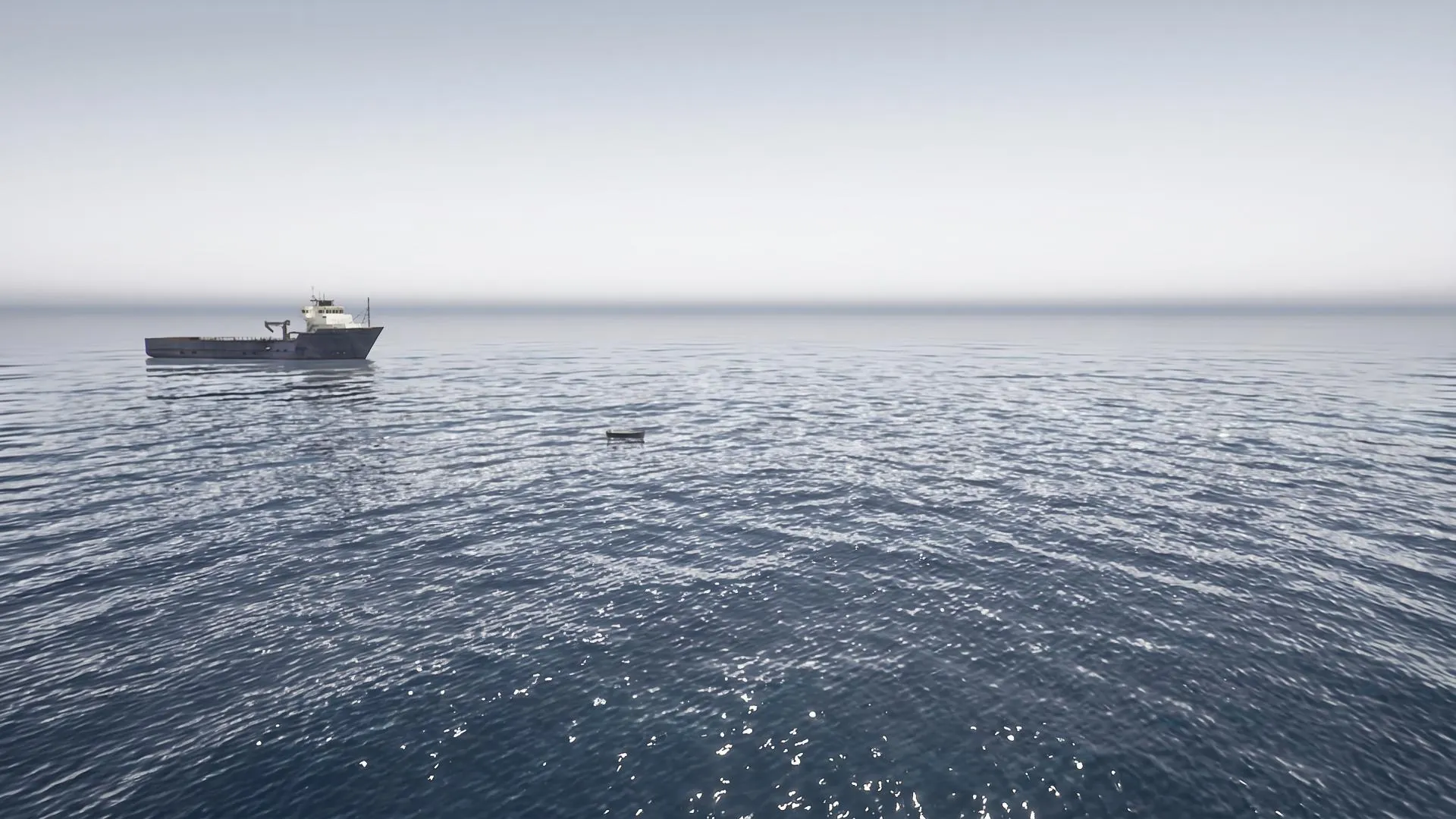
Increasing Realism
Enhance water surface micro-detail: sheen, specular highlights, and
translucency within the existing wave structure.
Adding Minor Distortions
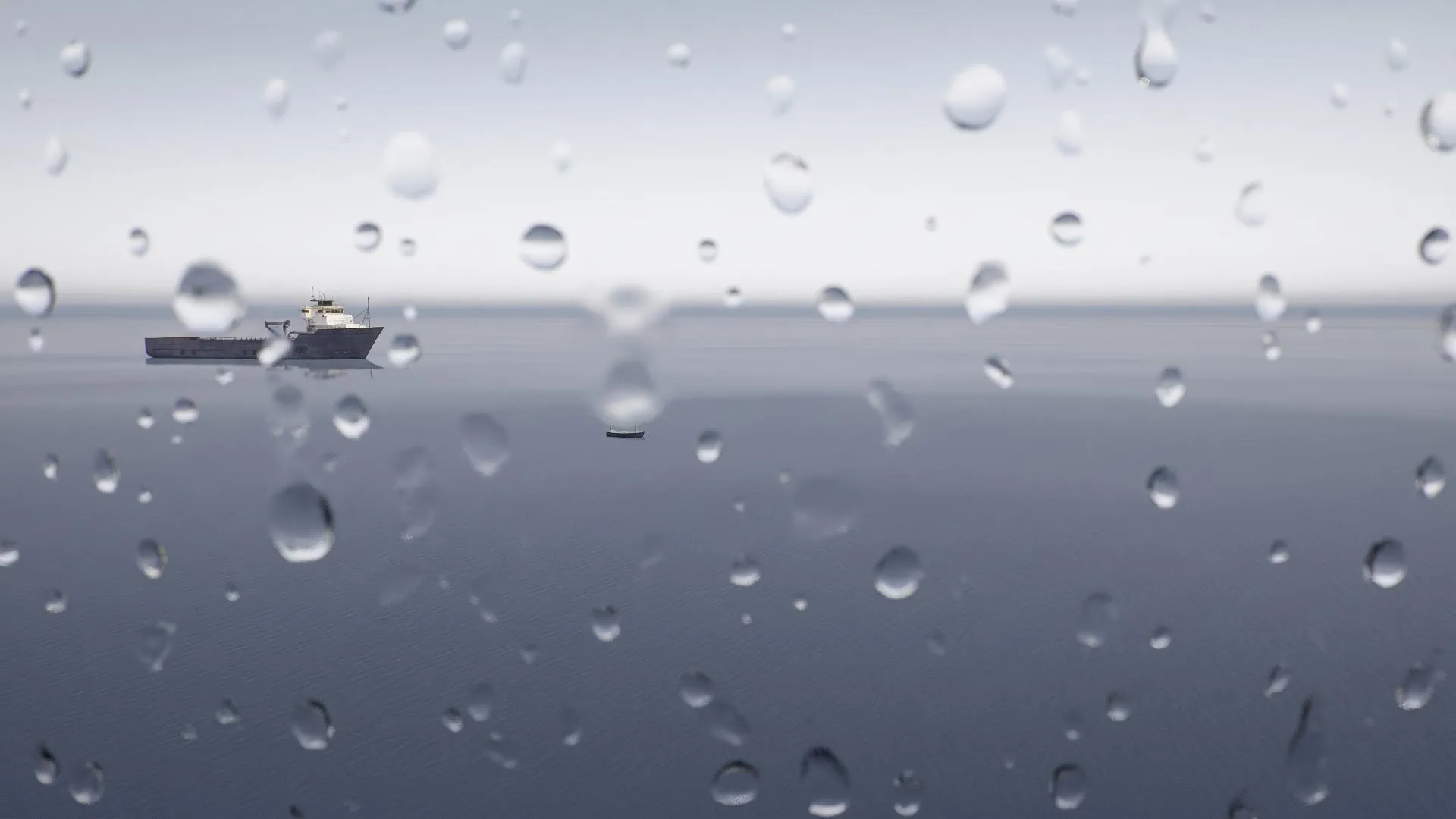
Add water droplets of varying size distributed unevenly across the lens
surface, creating localised soft blur patches. Preserve all object edges
beneath.
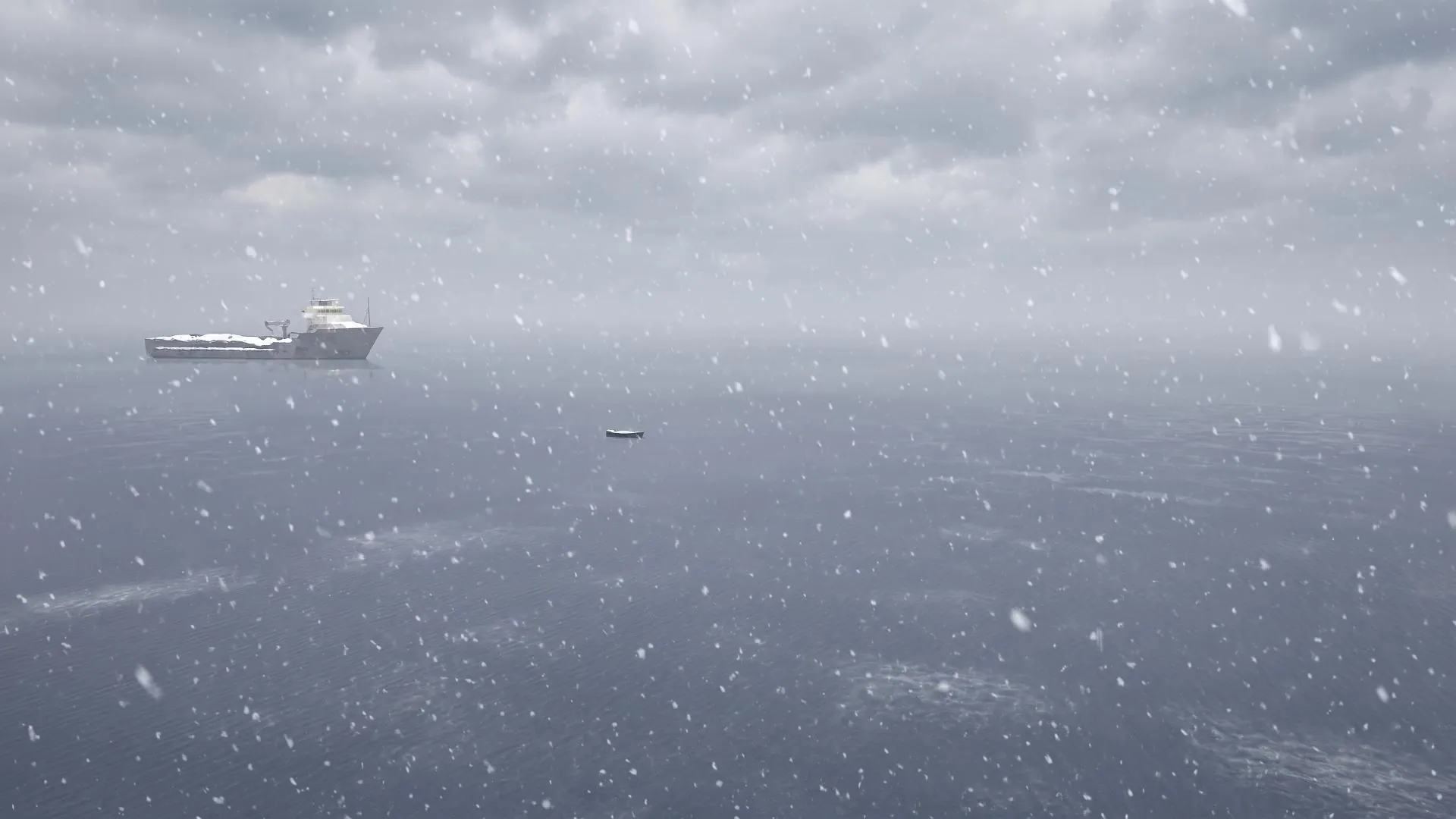
Changing Basic Weather
Add snow falling from cloudy skies
Tip
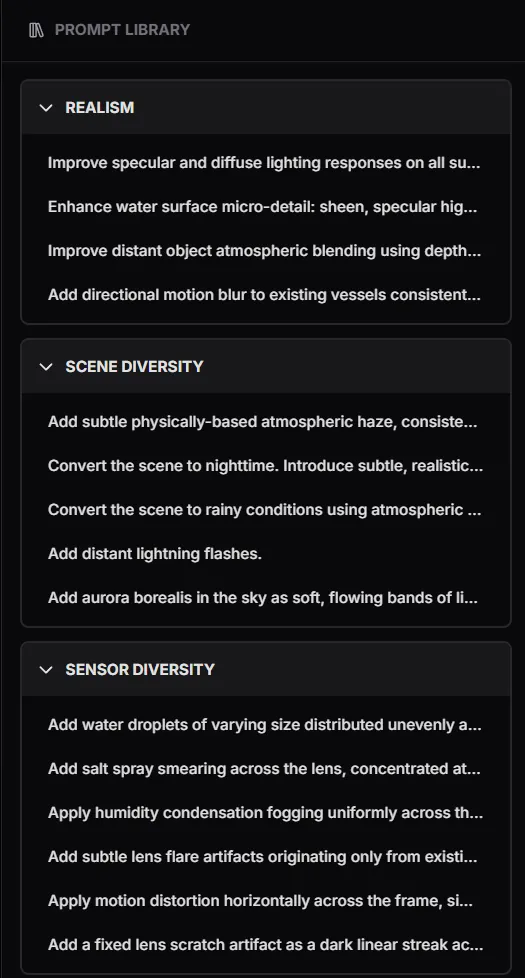
In general, the provided prompt library categories are a good guideline for how to use NR.
Bad Use-Cases
Avoid big structural changes to existing images, such as displacing existing subject positions, changing perspectives, or adding new subjects. The examples below all start from this scene:
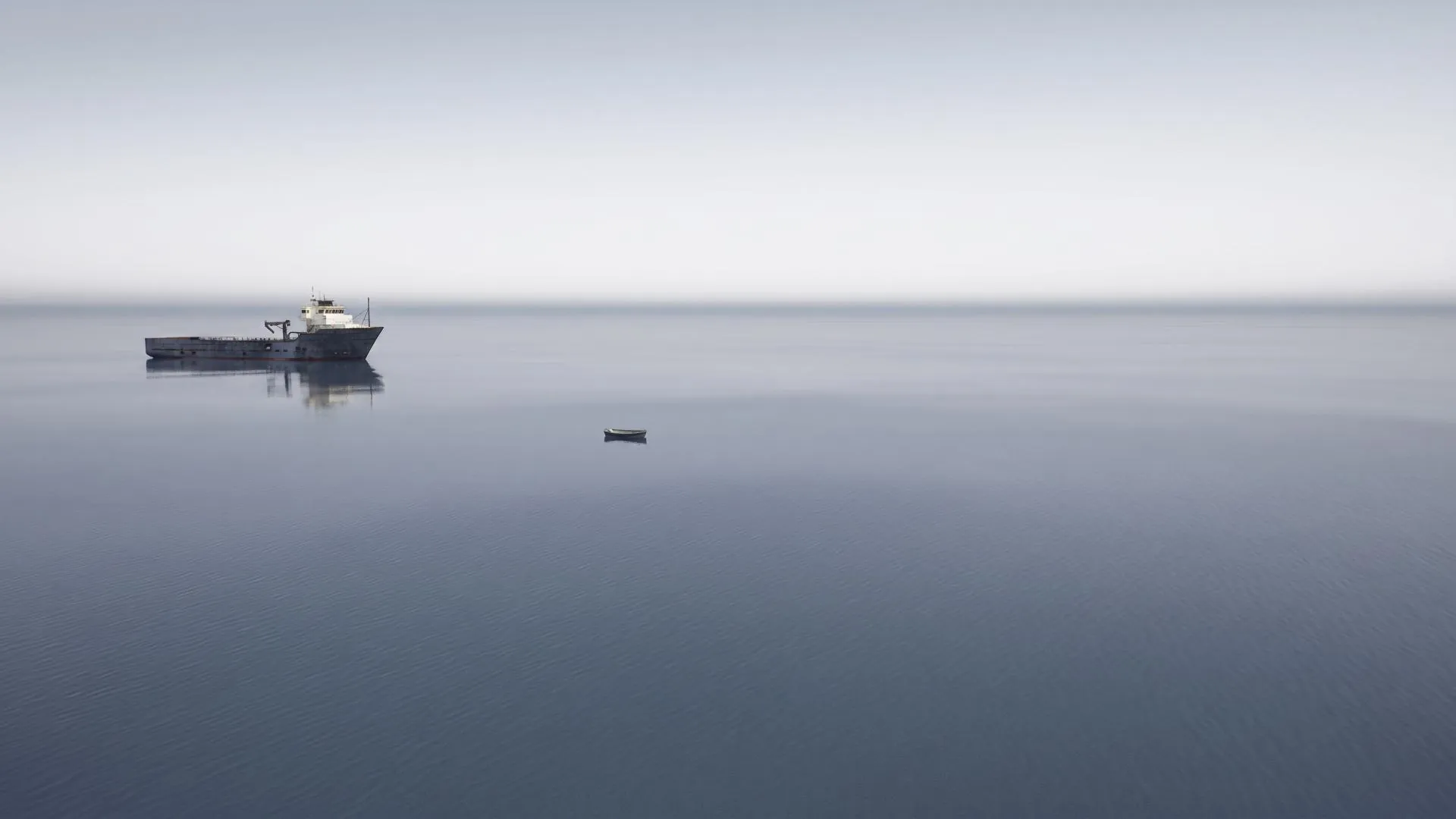
Note
Image generation will still succeed, although results may not be as intended.
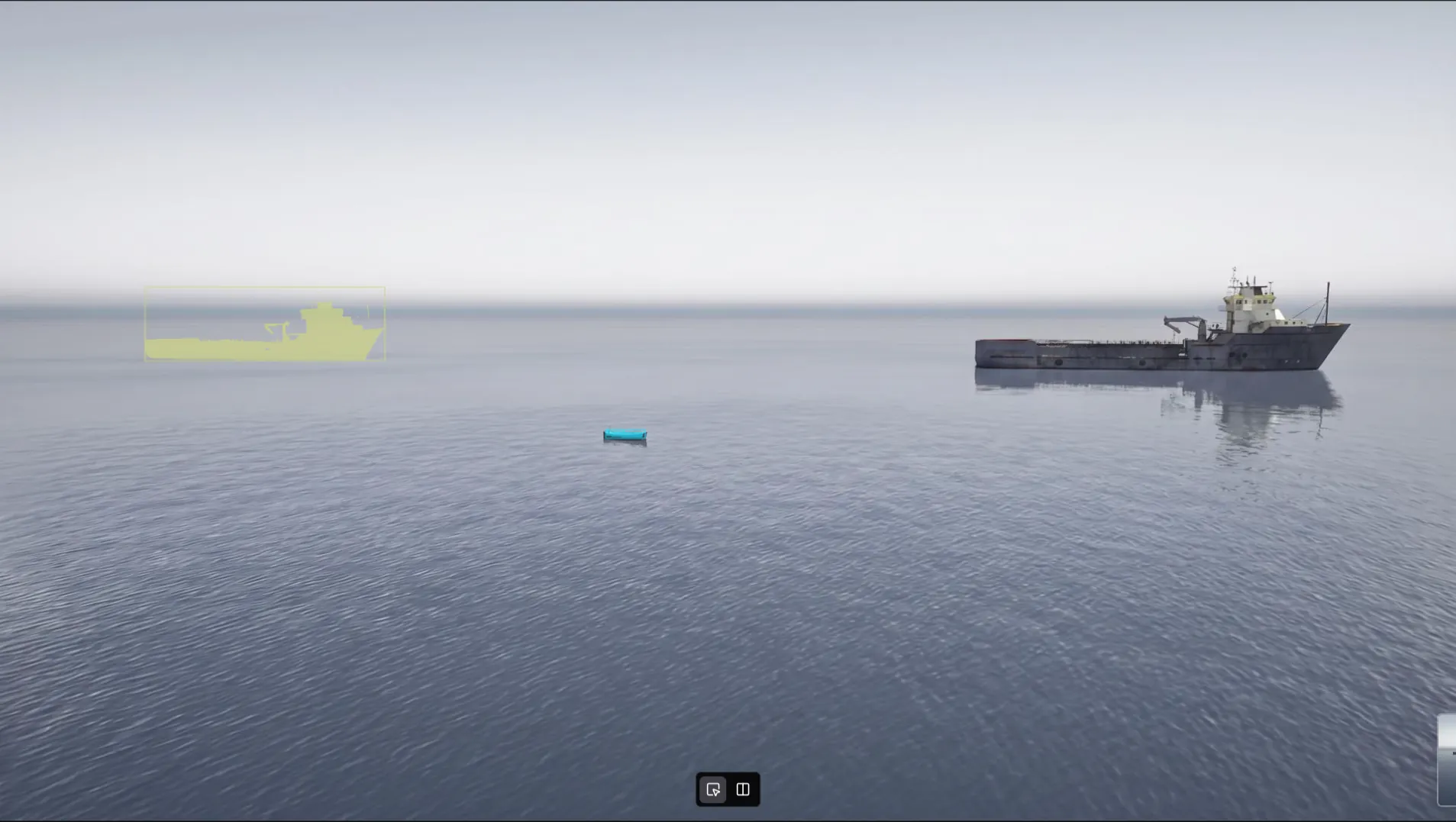
Displacing Subject Positions
The subject is displaced, but its labels and segmentation masks stay at the original position:
Move the large ship to the right
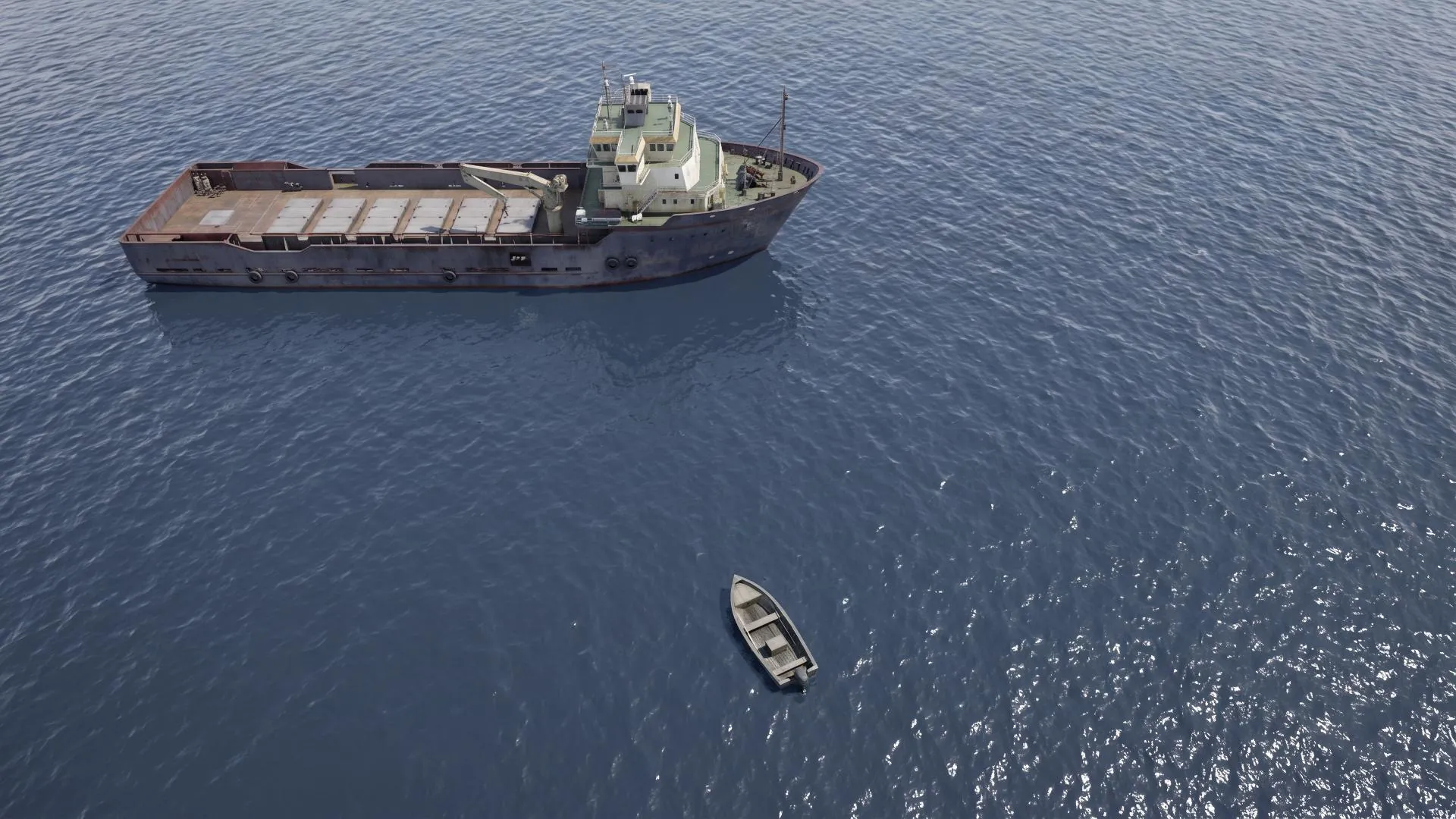
Changing Perspectives
The perspective changes entirely, so the outputs no longer match the collection’s camera view or labels:
Create a top down view of the ships
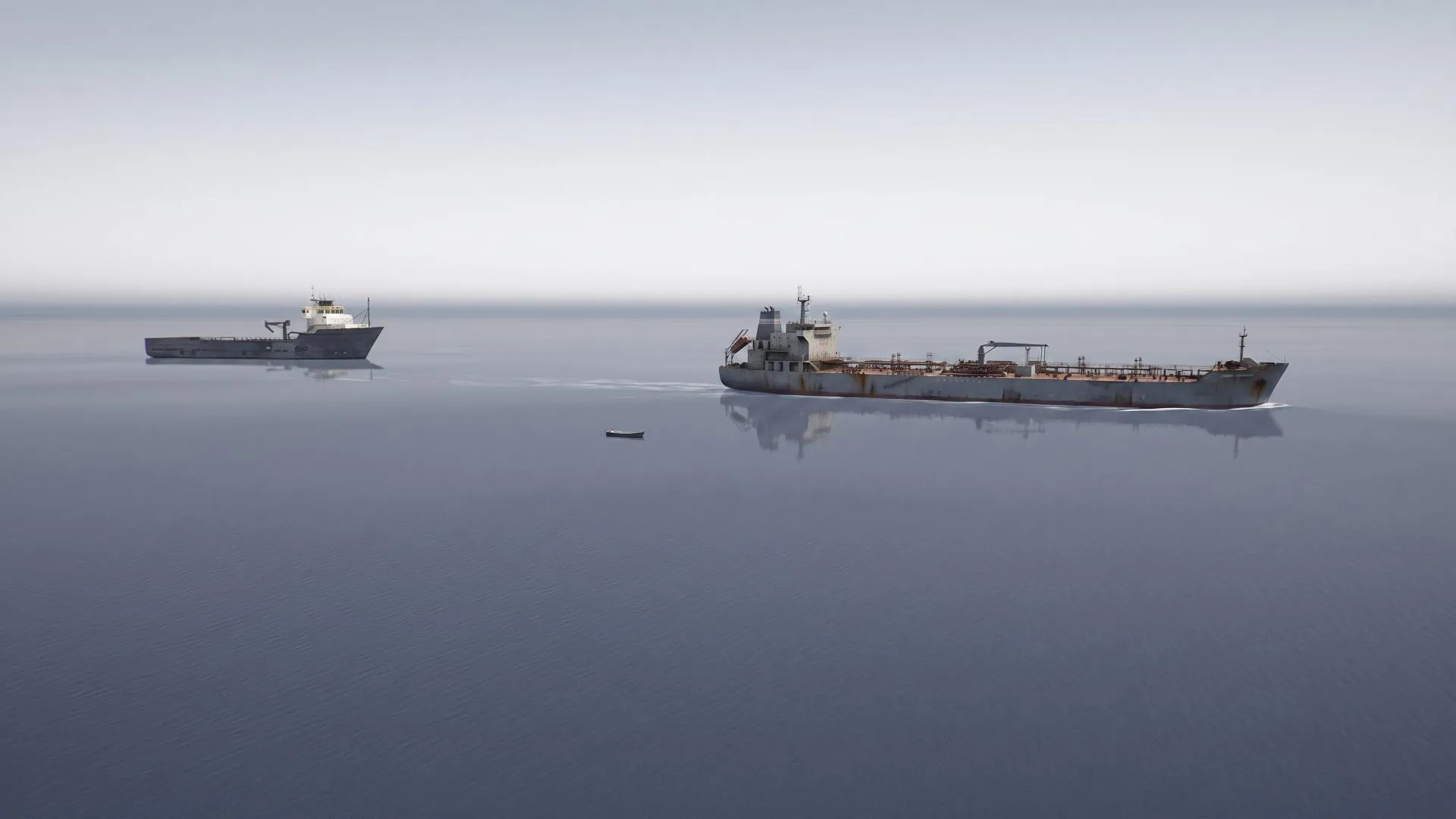
Adding New Subjects
The added subject has no labels:
Add a new oil tanker into the image
For big structural changes, it is better to generate the scene on the Bifrost 3D platform first, then use NR to apply the minor perturbations only NR can produce.